


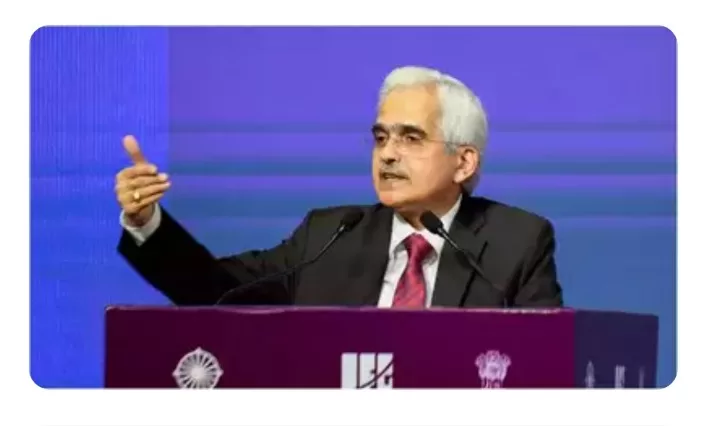
Reserve Bank of India (RBI) Governor Shaktikanta Das has articulated a strategic vision for bolstering the efficiency of cross-border transactions by proposing the integration of India’s pioneering Unified Payments Interface (UPI) with Japan’s local fast payment system. This proposition, unveiled during a distinguished symposium on the Indian economy held in Tokyo, mirrors the recent success achieved through the linkage of UPI with Singapore’s swift payment system, PayNow.
Das elucidated the nascent yet impactful UPI-PayNow alliance, which has significantly enhanced the landscape of cross-border remittances between India and Singapore since its inauguration in February. This initiative is part of a broader strategy to forge analogous connections with several nations, fostering a paradigm shift toward more streamlined and cost-effective international transactions.
In light of the current scenario, Das underscored the relatively marginal contribution of remittances from Japan to India’s overall inward remittance receipts, standing at a modest 0.2%. However, despite this modest share, the expenses associated with remittances from Japan to India through conventional banking channels surpass the internationally recognized target of 3% set by the United Nations for sustainable development. Das drew attention to these cost inefficiencies using data from the World Bank.
Furthermore, the RBI Governor delved into the intricacies of India’s inflation dynamics, characterizing it as susceptible to recurring and overlapping shocks in food prices. In response to this vulnerability, Das affirmed the central bank’s commitment to maintaining a vigilant and actively disinflationary monetary policy. This approach aims to progressively align inflation with the stipulated target while concurrently providing support to the broader economic growth trajectory.
In a broader regulatory context, Das expounded upon the RBI’s advocacy for self-regulation within the dynamic fintech sector. He outlined the establishment of a self-regulatory organization (SRO) as a pivotal mechanism to empower fintech entities. Das emphasized the dual role the RBI envisions for itself in this realm – as a proactive promoter of innovation and a discerning regulator ensuring the integrity of the financial system.
The confluence of these strategic initiatives positions the RBI at the forefront of shaping a resilient and technologically advanced financial ecosystem, fostering economic collaboration on the international stage while fortifying the foundations of domestic monetary stability.