

In a significant escalation, Bangladeshi courts have handed down convictions to 98 officials and activists affiliated with the main opposition Bangladesh Nationalist Party (BNP). The majority of these verdicts were delivered in absentia, bringing the total sentenced to over 400 in the past month.
The BNP contends that the cases are politically motivated, asserting that they are designed to dismantle the only opposition force capable of challenging Prime Minister Sheikh Hasina’s 15-year rule. With the general election scheduled for January 7, Hasina is seeking her fourth consecutive term in power.
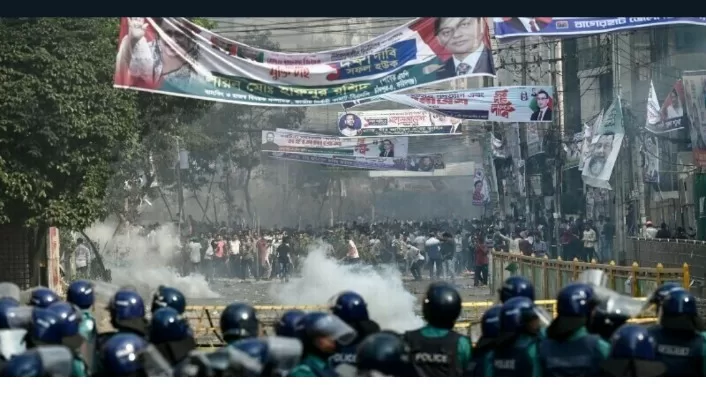
Legal proceedings, characterized by defense lawyers as being conducted hastily, resulted in convictions related to historic charges of protest violence. The BNP’s legal chief, Kayser Kamal, revealed that over 400 senior officials and activists, including former lawmakers and youth leaders, have been sentenced. The opposition, aiming to press for a change in leadership, has faced a police crackdown, leading to the arrest of thousands of BNP supporters.
While Prime Minister Hasina’s tenure has seen impressive economic growth, international concern has grown over her increasingly authoritarian rule and reports of extrajudicial killings. Furthermore, the recent convictions may impact the BNP’s participation in the upcoming election, as a 2018 High Court verdict prohibits individuals jailed for two years or more from contesting parliamentary elections.
Responding to the convictions, BNP’s legal chief labeled the cases as “staged, baseless, and politically motivated.” Allegations have surfaced that the timing of these trials, just weeks before the national election, raises suspicions of a calculated political move. The BNP, through rallies and marches, has been urging Hasina to step down, advocating for a neutral government to oversee the polls.
As Bangladesh approaches a critical juncture with the impending general election, the intensified crackdown on the opposition and the ensuing legal battles raise concerns about the political landscape and democratic processes in the country.