

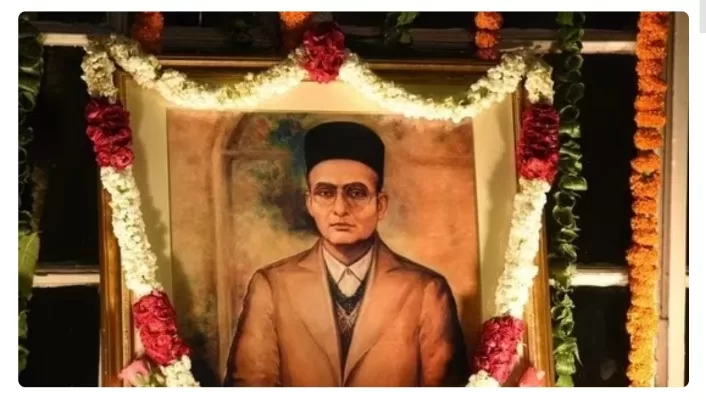
In a significant turn of events, Karnataka minister Priyank Kharge has taken a firm stand against the inclusion of Vinayak Damodar Savarkar’s portrait within the state assembly. Kharge’s explicit statement emphasized that individuals whose ideologies breed hatred and division should not find representation in the sanctum of the assembly.
The backdrop of this controversy lies in the unveiling of Savarkar’s life-size portrait during the tenure of the previous BJP government at the ‘Suvarna Vidhana Soudha.’ This decision faced severe criticism from the opposition Congress, which accused the government of unilateral actions and a lack of transparency in the decision-making process.
Currently, there is widespread speculation regarding the potential removal of Savarkar’s portrait from the assembly chamber. Chief Minister Siddaramaiah added fuel to the ongoing debate by stating that the final decision rests with the Speaker, further intensifying discussions around the contentious issue.
The portrait unveiling ceremony last year included several national icons such as Swami Vivekananda, Subash Chandra Bose, B R Ambedkar, Basaveshwara, Mahatma Gandhi, and Sardar Vallabhbhai Patel. This move triggered protests from the Congress, which demanded the installation of portraits of national leaders and social reformers instead.
The recent revelations about discussions regarding the proposal to install the portrait of the first Prime Minister, Pandit Jawaharlal Nehru, inside the Assembly chamber have reignited speculation about the fate of Savarkar’s portrait. The ongoing controversy underscores the broader national discourse on historical figures and their representations in public spaces, highlighting the complexities of India’s diverse history and ideologies.