

In a forthcoming book by Sharmistha Mukherjee, titled ‘Pranab, My Father – A Daughter Remembers,’ a nuanced perspective on key political events and personalities emerges, offering readers a deep dive into the thoughts of the late President Pranab Mukherjee.
The book delves into Pranab Mukherjee’s views on Rahul Gandhi, highlighting the 2013 incident where Rahul vehemently opposed a UPA II ordinance. Sharmistha characterizes this as “theatrics” and suggests that politics might not have been Rahul’s true calling. Mukherjee reportedly considered this event as the decisive factor contributing to Congress’s decline in the 2014 Lok Sabha polls.
Sharmistha shares her father’s disappointment, quoting him as saying, “‘Who does he (Rahul) think he is? He is not a member of the Cabinet. Who is he to publicly trash a decision of Cabinet? The Prime Minister is abroad…What right does he have to humiliate the PM like this?'”
Beyond Rahul Gandhi, Pranab Mukherjee drew intriguing parallels between Indira Gandhi and Narendra Modi. He admired their shared ability to “feel the pulse of the people so acutely and accurately,” revealing a keen understanding of political dynamics.
The narrative extends to Mukherjee’s thoughts on Manmohan Singh, with considerations of awarding him the Bharat Ratna during his presidency. Sharmistha unfolds the story, quoting her father’s diary entry from October 30, 2013: “‘I discussed with Cabinet Secretary the idea of conferring Bharat Ratna to PM Dr Manmohan Singh. He is recognized all over the world as a great economist… I asked Cabinet Secretary to…ascertain views of Sonia Gandhi and let me know…’” However, the award ultimately went to C N R Rao and Sachin Tendulkar the following year.
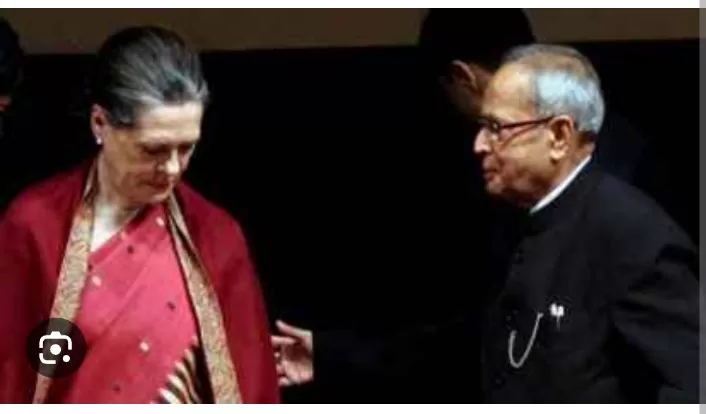
The book also clarifies perceptions around Sonia Gandhi’s preference for Manmohan Singh over Pranab Mukherjee as Prime Minister, dispelling notions of a trust deficit, and shedding light on the evolving relationship between Mukherjee and Sonia Gandhi.
‘Pranab, My Father – A Daughter Remembers’ promises readers an intimate exploration of Pranab Mukherjee’s experiences, adding a distinct and personal layer to the political history of his tenure.