


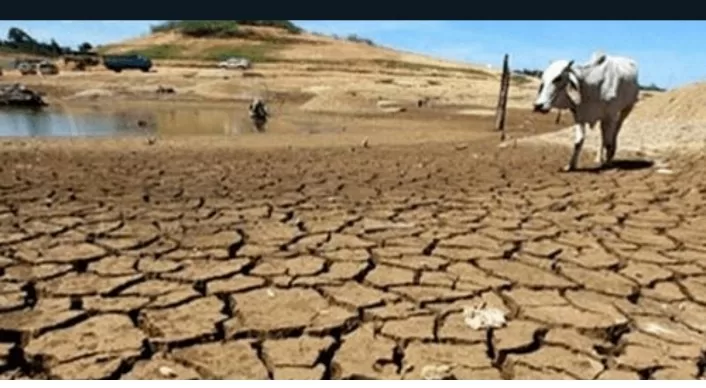
In a stark revelation, the United Nations highlighted that children in South Asia are grappling with severe water scarcity exacerbated by the repercussions of climate change more intensely than anywhere else globally.
As of the year 2022, a staggering 739 million children found themselves exposed to high or extremely high water scarcity. Of these, 436 million children, primarily in low- and middle-income nations, reside in regions characterized by “high or extremely high water vulnerability.” This classification involves a combination of elevated water scarcity and deficient drinking water service levels, with extreme water vulnerability emerging as a major contributor to preventable deaths among children under the age of 5, as outlined in a Unicef report.
The regions most profoundly affected by this water crisis are countries in the Middle East and North Africa, along with South Asia.
South Asia, housing over a quarter of the world’s children across eight nations, stands as a primary focal point. Climate change is identified as a pivotal catalyst for water scarcity, leaving an additional 35 million children susceptible to water stress by the year 2050, significantly impacting their mental and physical well-being.
The UN report emphasizes the critical role of investing in safe drinking water and sanitation services as a primary defense line against the adverse effects of climate change on children. With the COP28 summit on the horizon, Unicef advocates for the inclusion of children in the Global Goal for Adaptation (GGA) and the integration of children’s rights into the governance and decision-making processes of the Loss and Damage Fund.
“Safe water is a basic human right,” stated Sanjay Wijesekera, Unicef’s chief for South Asia. “Yet millions of children in South Asia don’t have enough to drink in a region plagued by floods, droughts, and other extreme weather events, triggered increasingly by climate change.”
Despite the alarming statistics, Unicef reported a rapid expansion of services aiming to provide basic drinking water to children in South Asia. Last year, 45 million children lacked access to these services in the region, surpassing other areas. However, Unicef projects a significant reduction in this number by 2030 through ongoing initiatives.
Following South Asia, Eastern and Southern Africa emerge as the next most vulnerable region, with 130 million children facing the risk of severe water scarcity, as outlined in the report.