

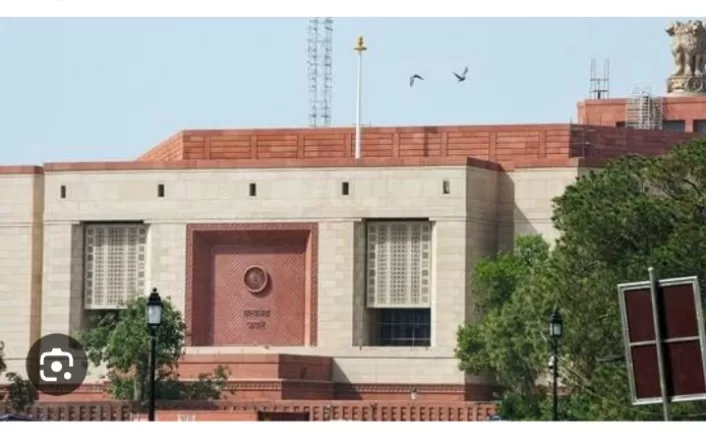
As India embarks on the monumental task of hosting a parlimentary session in new parliament building, the symbolism and grandeur of this architectural endeavor should not overshadow the fundamental purpose of this institution: to serve as the crucible of democratic debate and decision-making. While the design and aesthetics of the new edifice will undoubtedly draw attention, it is imperative that we remember the essence of parliament – as a forum for discourse, not a hall of deadlock.
The historic old parliament building, a testament to India’s democratic journey, witnessed moments of impassioned debates and visionary legislation. It stood as a hallowed ground where India’s diverse voices came together to shape the nation’s destiny. While we celebrate its heritage, we must also reflect on its limitations.
In recent years, the old parliament building became synonymous with disruptions, stalling progress, and a growing perception of legislative paralysis. Such periods of deadlock came at a cost – stymied reforms, deferred decisions, and a disenchanted citizenry. The question then arises: as we construct a new parliament building, should we not also aspire to build a new culture of parliamentary discourse?
In a nation as diverse as India, the parliament serves as the vanguard of democratic ideals. It is here that our elected representatives converge to deliberate on matters that affect the lives of over a billion citizens. In this regard, the new parliament building must be a sanctuary of constructive, informed, and spirited debates.
Consider the following facts and figures: Over the last decade, the Indian parliament has witnessed a steep decline in the number of sitting days and the productivity of these sessions. A comparison of this data with other prominent democracies paints a disheartening picture. Inefficiency in parliamentary proceedings has cost the nation both time and progress.
Looking at international benchmarks, the United Kingdom’s House of Commons, despite its often adversarial debates, has managed to maintain a higher rate of legislative productivity. Similarly, the German Bundestag and the French National Assembly boast a healthier record of constructive debates and timely legislation.
To break free from the quagmire of legislative gridlock, the new parliament building must incorporate several fundamental principles:
1. Technological Advancements: Leverage modern technology to streamline proceedings, promote transparency, and facilitate data-driven decision-making.
2. Commitment to Decorum: Promote decorum within the chambers, ensuring that discussions are characterized by respect, civility, and a commitment to the nation’s welfare.
3. Adequate Resources: Allocate adequate resources for research, analysis, and expert consultations to enable well-informed debates.
4. Timely Sessions: Commit to a more robust schedule, ensuring that sessions are conducted efficiently and without excessive interruptions.
5. Inclusivity: Encourage broader participation by fostering a culture of inclusivity, where diverse viewpoints are not only tolerated but valued.
6. Accountability: Hold representatives accountable for their attendance and participation, reflecting the seriousness of their role.
As the blueprint of the new parliament building takes shape, let us not forget that its true worth lies not in its architectural marvels but in its capacity to uphold the democratic spirit. India deserves a parliament that transcends the shadows of deadlock and rekindles the legacy of constructive deliberation. The figures tell us that it’s an imperative, and history beckons us to seize this opportunity.
The new Indian parliament building can and should be a hall of vibrant, meaningful discussions—a symbol of our commitment to the ideals of democracy, unity in diversity, and progress for all.