


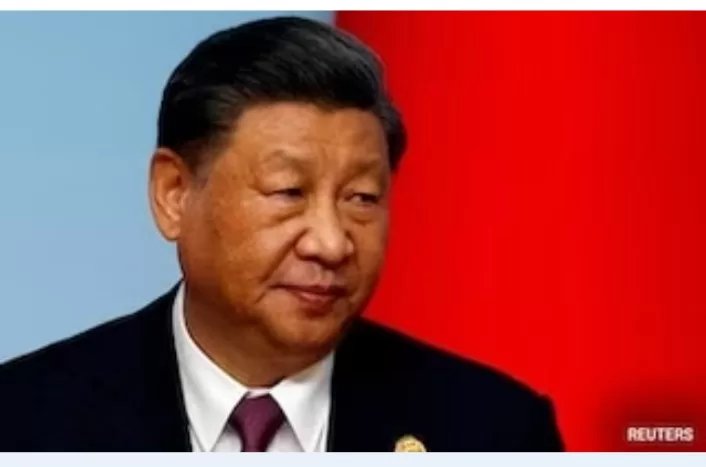
Hangzhou, China: Chinese President Xi Jinping, in a significant meeting with Nepal’s Prime Minister Pushpa Kamal Dahal ‘Prachanda’ on the sidelines of the Hangzhou Asian Games, expressed a resolute commitment to aid Nepal in transitioning from a landlocked nation to one with vital land connectivity and transit transportation cooperation. Prachanda’s visit to China marked a momentous step in Nepal’s diplomatic engagement after his earlier visits to India and the United States.
Xi, who undertook a landmark visit to Nepal in 2019 and announced an array of substantial projects, noted that both nations, sharing borders through Tibet, have advanced the ‘Trans-Himalayan Multi-Dimensional Connectivity Network’ and other projects aligned with the ‘Belt and Road’ initiative. These initiatives aim to bolster infrastructure connectivity and expand transit transportation cooperation between the two countries, ultimately paving the way for Nepal’s transformation into a land-linked nation.
The trans-Himalayan connectivity projects encompass extensive road and rail networks traversing the challenging Himalayan terrain, forging links between Nepal and Tibet. As a predominantly landlocked nation, Nepal heavily relies on India for a significant portion of its imports. China’s determination to contribute to reducing Nepal’s dependency on India forms part of its broader strategy to amplify its influence in the region.
However, critics point out that many Chinese projects within Nepal, including border infrastructure, have faced delays, primarily due to the constraints posed by the COVID-19 pandemic, which prompted Beijing to temporarily close its borders.
Nepal had previously signed a transport-transit agreement to access seven ports in China and had identified nine projects under the Belt and Road Initiative (BRI). Additionally, Nepal introduced the umbrella concept of the Trans-Himalayan Multi-Dimensional Connectivity Network, aimed at enhancing cross-border cooperation.
During President Xi Jinping’s visit to Nepal in 2019, the two nations inked seven bilateral agreements, although the implementation of most of these agreements has faced challenges.
In the meeting with Prachanda, President Xi underscored the importance of mutual understanding and unwavering support for each other’s core interests and major concerns. Both leaders acknowledged the need to continually fortify the political foundations of bilateral relations.
Prime Minister Prachanda hailed Xi Jinping as a visionary global leader and a friend to all Nepalese citizens. He emphasized Nepal’s steadfast adherence to the one-China policy, emphasizing that Nepal would not permit its territory to be used for activities undermining China’s sovereignty and security. This firm stance extends to restricting Tibetan visits to India through land borders to meet the Dalai Lama.
Furthermore, Prachanda affirmed Nepal’s appreciation for the Belt and Road Initiative and its active involvement in Belt and Road cooperation. Nepal also expressed its commitment to advancing the construction of the Trans-Himalayan Multi-Dimensional Connectivity Network.
The meeting between the two leaders was anticipated to result in the signing of several agreements that would bolster Chinese investments in Nepal, as reported by Nepalese media outlets.
PTI