



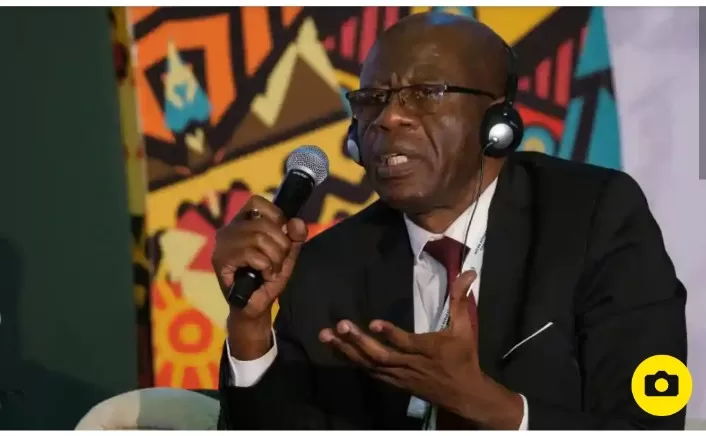
ACCRA – A pivotal summit in Ghana this week witnessed the formation of a global movement advocating for reparations for slavery, as the African Union joined forces with Caribbean countries to establish a formidable coalition. This unprecedented collaboration between the 55-member African Union and the 20-nation Caribbean Community (Caricom) aims to present a unified front, compelling European nations to address the enduring consequences of “historical mass crimes.”
Delegates at the summit also unveiled plans for a global fund, based in Africa, designed to expedite the reparations campaign. While a draft proclamation circulated did not delineate specific reparations forms, it outlined that the African Union would explore “litigation options” and collaborate with the United Nations to evaluate whether enslavement of Africans constituted severe violations of human rights at the time.
Inaugurating the conference, Ghana’s President, Nana Akufo-Addo, underscored the profound impact of slavery on economic, cultural, and psychological progress. He called for European nations to formally apologize to the entire African continent, emphasizing the imperative to acknowledge the tragedies endured during the transatlantic slave trade.
The finalized version of the Accra proclamation, expected this weekend, will likely encapsulate the comprehensive strategy for reparations and the collaborative efforts of the African Union and Caricom in this unprecedented venture.
Caricom’s Secretary-General, Carla Barnett, emphasized the pivotal juncture in the global movement for reparatory justice. She stressed the need for a unified voice to amplify the call for reparations and urged European nations to confront their historical responsibilities.
The British Foreign Office confirmed attendance at the summit, citing standard diplomatic engagement. However, the UK government remains resistant to the concept of reparations, with Prime Minister Rishi Sunak expressing a lack of willingness to offer a “full and meaningful apology” earlier this year.
While some European nations, such as Germany and the Netherlands, have taken steps toward acknowledging historical wrongs and offering apologies, the UK’s stance underscores the complexity and sensitivity surrounding the issue.
The African Union’s collaboration with Caricom signifies a substantial stride forward in the global reparations movement, as observed by Labour MP Bell Ribeiro-Addy, who attended the conference. Ribeiro-Addy emphasized the message sent by this alliance, indicating that the issue of reparations can no longer be ignored.
Delegates expressed optimism fueled by recent instances of acknowledgment and reparative actions, such as Glasgow University’s financial commitment to address historical ties to the transatlantic slave trade and the Church of England’s substantial pledge to rectify past wrongs. The creation of the Heirs of Slavery movement, formed by descendants of prominent British enslavers, also signals growing support for the call for reparatory justice.