


In a recent turn of events, the import of lentils from Canada to India faces an uncertain future as diplomatic tensions between the two nations continue to escalate. This development could have far-reaching consequences, impacting both countries and the global pulse market.
Industry insiders, as cited in an Economic Times report, reveal that no new contracts for importing lentils from Canada are currently being inked. The hesitation stems from concerns over potential retaliatory tariffs that either country might impose. Earlier reports had already indicated a slowdown in India’s lentil imports from Canada due to the ongoing diplomatic discord.
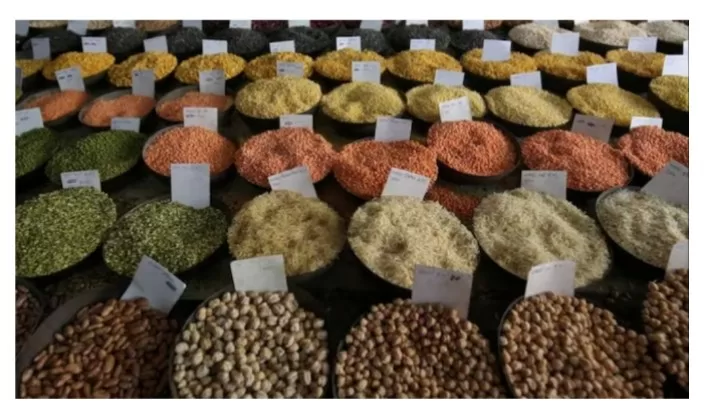
This situation raises concerns for both nations, particularly as Canada held the position of the largest supplier of lentils to India during the 2022-23 period. In fact, over half of India’s total lentil imports, totaling 485,492 metric tonnes, came from Canada.
Notably, this disruption in lentil trade could adversely affect Canadian farmers, as a reduction in Indian purchases could lead to decreased prices during the harvest season.
An anonymous senior executive from a major import-export firm commented, “There have been no new contracts for lentil imports due to the heightened diplomatic tension.” While new contracts are currently on hold, existing agreements are still being honored, according to traders.
The disruption in lentil supply from Canada has the potential to contribute to rising inflation in India. This is a concerning prospect, particularly when the prices of pulses are already surging due to production-related challenges. In recent months, pulse inflation reached a staggering 13%, outpacing other food categories, closely followed by cereals.
The diplomatic rift between India and Canada stems from Canadian Prime Minister Justin Trudeau’s allegations, suggesting the involvement of Indian agents in the assassination of a Khalistani terrorist, Hardeep Singh Nijjar, on Canadian soil in June. India’s foreign ministry vehemently dismissed these allegations as “absurd.”
Amidst this ongoing dispute, Canada has withdrawn 41 diplomats from India, while New Delhi has urged Ottawa to reduce its diplomatic presence. It is noteworthy that, thus far, neither country has imposed tariffs to discourage trade.
India, in response to the uncertainty surrounding lentil imports, has diversified its sources. Australia has emerged as a primary beneficiary of India’s quest for alternative lentil suppliers. Additionally, India has recently granted full exemption from customs duties for lentil imports from the United States. The list of other destinations for lentil imports includes Russia, Singapore, Turkey, and the UAE.
In conclusion, the diplomatic turbulence between India and Canada casts a shadow of uncertainty over the lentil trade, which could have economic repercussions for both nations and potentially impact global pulse prices.