


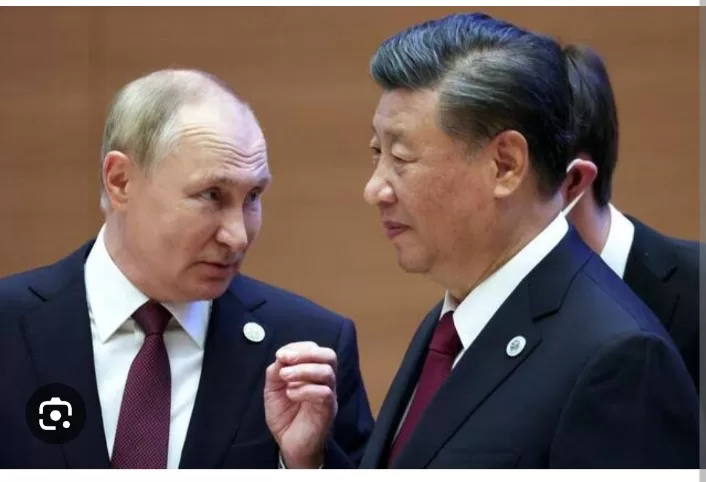
In the race for resources, China encounters obstacles in its endeavors to tap into Russia’s Far East and Arctic regions. The construction of a crucial natural gas project in Siberia, intended to supply China, is anticipated to face delays, with discussions over the Power of Siberia 2 pipeline progressing slowly.
China’s bargaining stance with Russia is firm, seeking full funding for the pipeline amid Western sanctions on Russia. The Power of Siberia 1 pipeline’s limitations have prompted the need for the new pipeline, which, if completed, would provide 50 billion cubic meters of natural gas annually to China.
Beyond the gas pipeline, China’s efforts to leverage opportunities in the Arctic Ocean face resistance from Russia, which aims for global investments in the Arctic, not solely from China. The strategic significance of the Arctic, now with diminishing ice caps, poses concerns about emerging as a crucial maritime route.
As the North Sea Route could potentially become ice-free in 2035, cutting shipping times significantly, nations like India have already utilized it for certain energy shipments. However, China, amid expanding engagements with Arctic nations, faces increasing risks of being caught in geopolitical crossfire.
Meanwhile, Mongolia, rich in resources and a neighbor to both China and Russia, is cautiously expanding trade connections with plans for new dry ports. However, Mongolia remains wary of overdependence on China, as it relies on Chinese investments while being seen as a crucial connector for trade with Central Asia.