



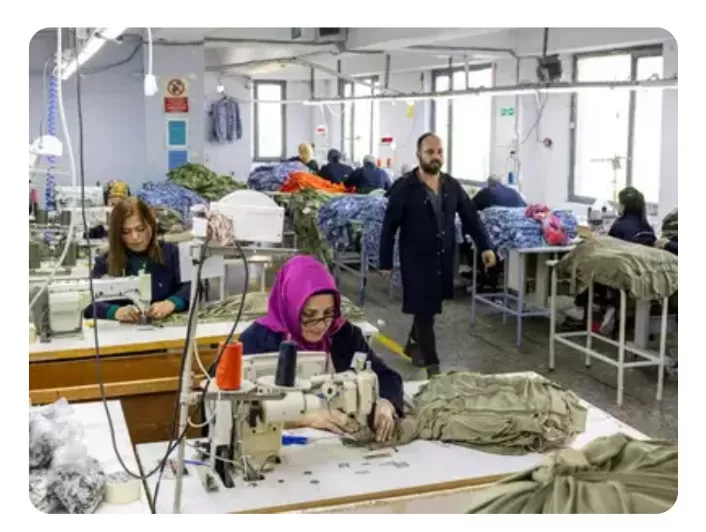
Turkish garment manufacturers, the third-largest suppliers of apparel to Europe, are grappling with increased production costs following a recent surge in government tariffs on textile imports. The move, aimed at supporting local yarn and fabric manufacturers, has sparked concerns among industry leaders.
The Turkish government raised tariffs by 30-100% on hundreds of incoming textile products last week, leading to potential job cuts and a risk of losing market share to Asian competitors like Bangladesh and Vietnam. Despite the option for exporters to apply for exemptions from the tax, industry sources suggest that the process is both costly and time-consuming, posing challenges for many companies.
The apparel sector, a significant contributor to Turkey’s employment and a supplier to heavyweight European brands, is already facing challenges such as soaring inflation, waning demand, and lower profit margins. The Turkish lira’s overvaluation and the impact of interest rate policies further complicate the industry’s outlook.
According to Seref Fayat, chairman of Turkey’s TOBB Clothing and the Apparel Industry Assembly, the price of a Turkish-made t-shirt for European shoppers is now 40% higher than that from Bangladesh, marking a significant increase from the 15-20% gap observed a couple of years ago.
While some industry players believe they can absorb moderate price increases, there’s a consensus that Turkey’s apparel industry needs to shift from mass production to value-added to maintain a competitive edge. Timur Bozdemir, president of DF Manhattan Inc, emphasized the importance of this shift, stating that competing for low-cost items is not sustainable in the long run.
Turkey, the world’s fifth-largest textile and sixth-largest clothing exporter, has seen its share of the European market decline from 13.8% in 2021 to 12.7% last year. The recent tariffs add to the challenges faced by the sector, as textile and apparel exports have fallen more than 8% through October this year.
The situation is particularly dire for the textile sector, with registered employees decreasing by 15% through August. Capacity utilization rates are also alarming, hovering around 71%, compared to the overall manufacturing rate of 77%.
As the lira continues to depreciate, industry experts predict further job cuts, with estimates reaching 200,000 by year-end. The need for a strategic shift in the industry becomes more apparent as Turkish clothing manufacturers navigate these challenging times.