



In a recent development with profound geopolitical implications, the United States has deployed troops to the Middle East amidst escalating tensions and violence. The backdrop of this action harks back to a somber anniversary from four decades ago when a devastating suicide attack in Beirut caught American forces off guard.
On October 23, 1983, a suicide bomber from the Lebanese Shia militia Hezbollah struck a U.S. military barracks in Beirut, resulting in the tragic loss of 241 American service personnel, predominantly marines. This attack, alongside a simultaneous assault on a French military base, served as a grim reminder of the unpredictable nature of conflicts in the region.
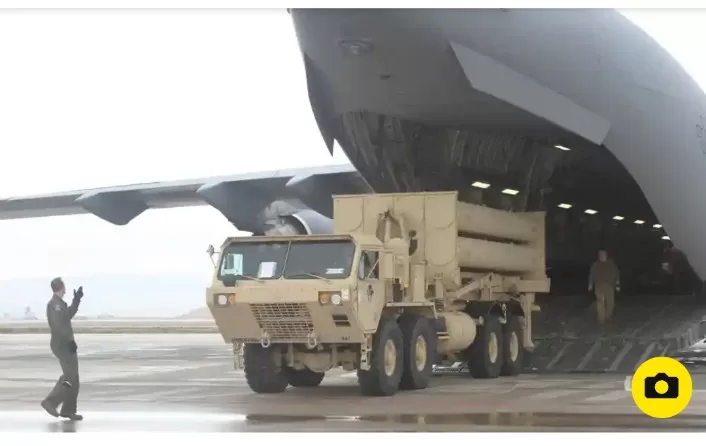
Fast forward to the present day, the Biden administration has responded to the recent deadly attack on Israel by dispatching 2,000 marines to the Middle East, bolstered by two aircraft carrier groups, Terminal High Altitude Area Defense (THAAD) systems, and Patriot air defense systems. The aim is crystal clear: to demonstrate a formidable show of force, a stark contrast to the confidence U.S. officials exuded four decades ago.
Implicit in this commitment is the recognition that Middle East stability is now hanging in the balance. With an Israeli ground invasion of Gaza on the horizon, the risk of a broader conflict looms large.
This contrasts starkly with the optimism of U.S. officials in 1983 who believed that the marines, as part of an international peacekeeping force, enjoyed protected status. The tragic Beirut attack was an unforeseen shock to their assumptions.
The aftermath of the 1983 attack saw calls for a retaliatory strike against Iran, Hezbollah’s sponsor. However, President Ronald Reagan’s prudent decision to redeploy the marines rather than escalate the conflict is now seen as one of his finest hours. It was a testament to responsible governance.
Yet, President Joe Biden faces a more complex and volatile situation today. Top on the list of concerns is the potential for hostilities between Hezbollah and Israel on the Lebanese border, which could draw in Iran. The presence of U.S. troops in Iraq and eastern Syria, both engaged in missions against the Islamic State, further complicates the situation. Recent drone attacks on these forces add to the unpredictability.
The United States has articulated its goal as deterrence against a broader war, but it has already been compelled to respond to threats, exemplified by the recent interception of cruise missiles and drones in Yemen. This military deployment is indeed a double-edged sword – serving both as a deterrent and a potential escalatory tool.
The danger of a “commitment trap” now looms large. If Israel continues its Gaza offensive, tensions could escalate rapidly, dragging the U.S. into a conflict it never desired.
As diplomatic efforts intensify and American officials counsel restraint, the trajectory of American involvement hinges on the evolution of the Gaza offensive. The region watches with bated breath, and the stakes couldn’t be higher.
In this high-stakes scenario, the specter of a modern-day “world war one scenario” emerges, with countries pledging support to allies and the risk of being drawn into a war they never sought. It’s a precarious situation, and the path forward remains uncertain.
Th next crucial steps depend on the unfolding events in the Middle East, with the eyes of the world fixed on this volatile region.