



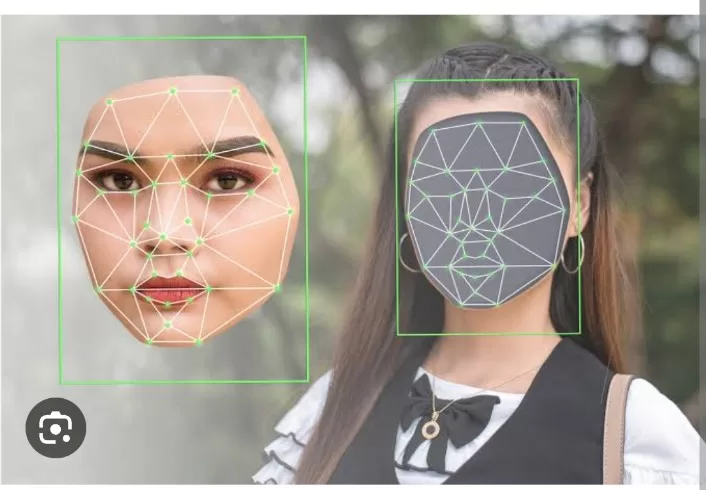
In a significant legal development, the Delhi High Court has called for the Centre’s response to a Public Interest Litigation (PIL) addressing concerns about the uncontrolled deployment of artificial intelligence (AI) and deepfake technology. Deepfakes, generated using AI-powered deep learning software, create deceptive videos or images portraying individuals saying or doing things they never did.
A bench, led by Acting Chief Justice Manmohan, asserted that technology cannot be easily restrained, emphasizing that the issue raised by the petitioner requires thorough deliberations, a task best suited for the government. The court acknowledged the complexity of the technology and highlighted the need for a balancing act, considering both the positive and negative aspects of its usage.
“The matter requires a lot of deliberation. It is a very complicated technology,” noted the bench, which also included Justice Mini Pushkarna.
The Central government counsel informed the court that the government is actively looking into the issue, and regulations are in place to address such concerns. The court granted time for the government to provide detailed instructions.
The petitioner, represented by advocate Manohar Lal, expressed concerns over the pace of legal development compared to rapid technological advancements. The court concurred, acknowledging the inherent lag in legal frameworks and listed the case for further hearing on January 8.
Chaitanya Rohilla, the petitioner and a lawyer, urged the court to direct the Centre to identify and block websites facilitating access to deepfakes. The plea also sought regulatory measures on artificial intelligence to safeguard the fundamental rights of citizens. Rohilla’s lawyer highlighted the challenges posed by AI and the urgency to address regulatory gaps, citing recent instances of deepfake misuse, including the case involving actor Rashmika Mandanna.