


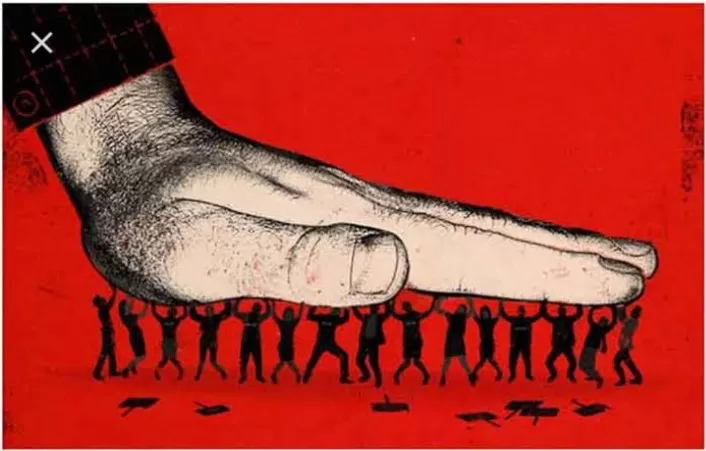
In the Indian context, the lamentable state of affairs characterized by an overwhelming deluge of political machinations, the façade of democracy, and a populace of agonized citizens, emerges as an indelible stain on the nation’s conscience. The chasm between the political rhetoric and the ground reality has grown into an abyss, leaving the populace disillusioned and disenchanted.
The canvas of Indian politics, ostensibly vibrant and diverse, conceals a disheartening narrative of vested interests, opportunism, and brazen disregard for the welfare of the citizenry. The stark evidence of this somber truth can be discerned from the statistics that paint a grim picture of the glaring inadequacies in healthcare, education, and basic infrastructure despite decades of political grandstanding.
Recent instances furnish ample examples of the glaring incongruity between political promises and actions. The hollow claims of “acche din” (good days) reverberated across the political spectrum, only to be met with harsh reality as unemployment rates soared to unprecedented levels, a staggering 27.1% as of 2021, according to the Centre for Monitoring Indian Economy (CMIE).
The purported ideals of democracy stand compromised as the corridors of power resound with unscrupulous wheeling and dealing, while the aam aadmi (common man) grapples with the dissonance between the soaring inflation rates and their dwindling purchasing power. The recent escalation of petrol and diesel prices, juxtaposed with the abysmal implementation of social welfare schemes, accentuates this sorry state of affairs.
India’s political landscape has become a theater of opportunism, with defections, horse-trading, and political vendettas taking precedence over genuine public service. The cataclysmic impact of this ruthless politicking is evident in the alarming farmer suicides, which have claimed over 330,000 lives since 1995, as documented by the National Crime Records Bureau.
The disillusionment of citizens is encapsulated in the abysmally low voter turnout in some elections, a damning indictment of a political system that has failed to inspire hope or instill faith. The 2019 General Elections witnessed a voter turnout of 67.37%, a paltry figure for a nation that boasts of being the world’s largest democracy.
The heartrending irony lies in the fact that this lamentable state of affairs thrives amidst a backdrop of constitutional ideals and democratic institutions. The Constitution, a beacon of hope, remains largely untapped in its transformative potential, as the political machinery perpetuates its shadow play, leaving the citizenry bereft of their rightful entitlements.
In conclusion, the Indian narrative is marred by the virulent infusion of excessive politics, a mockery of democracy, and a populace shackled by the consequences of these actions. The stark dissonance between political promises and reality demands a seismic shift in the political discourse, where public welfare takes precedence over political brinkmanship. A polity that resonates with the aspirations of the citizens, upholding their dignity and well-being, remains the elusive goal that the nation must relentlessly strive towards.