


In the realm of Indian politics, the concept of “One Nation, One Election” has persistently hovered as a potential panacea for several perceived maladies. The proposition, which calls for simultaneous Lok Sabha and State Assembly elections across the nation, undoubtedly appears beguiling on the surface. Yet, beneath this veneer of simplicity lies a labyrinthine quagmire fraught with multifarious challenges, rendering its practicability an intricate enigma.
Proponents of this idea have vociferously touted its advantages, foremost among them being the mitigation of an electoral cacophony that periodically disrupts the governance rhythm of the country. Yet, one cannot ignore the stark diversity within the Indian polity – a nation characterized by its federal structure and variegated sociopolitical dynamics.
To tread the path of “One Nation, One Election” is to embark upon a formidable journey fraught with constitutional intricacies. The staggered elections, as they stand today, enable a focused allocation of resources, both financial and human, to individual state elections, thus ensuring a more transparent and effective democratic process. Under the proposed unified election scheme, the logistical demands would be monumental, straining the already burdened exchequer.
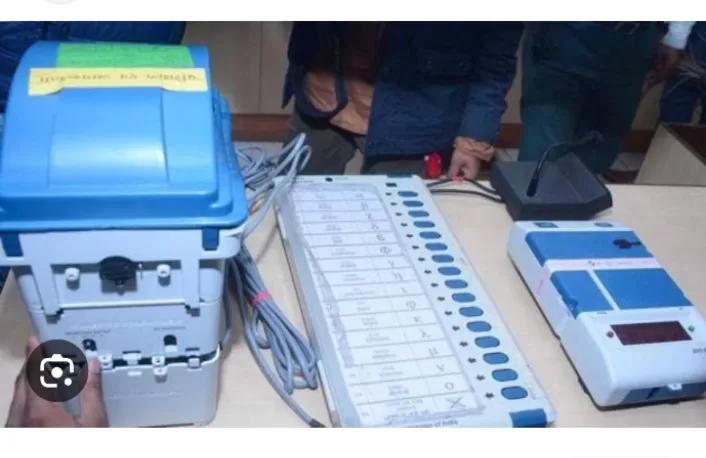
Furthermore, the logistics of conducting an election in India are staggering in their complexity. The country’s geographical expanse, coupled with its vast population, translates into a colossal exercise in electoral management. Data from the Election Commission of India reveals that during the 2019 Lok Sabha elections, over 900 million voters across 29 states and 7 union territories exercised their franchise. The enormity of orchestrating such an event on a singular day is mind-boggling.
In addition to logistical hurdles, the “One Nation, One Election” proposition encounters the formidable challenge of political harmony. It necessitates that all political parties and stakeholders unanimously subscribe to this notion, a feat that appears nothing short of Herculean given the contrasting electoral cycles that have historically favored one party over another.
Another vital aspect to consider is the implications for regional interests. In a diverse nation like India, state elections often serve as a platform for asserting regional aspirations and addressing local issues. The synchronization of elections might inadvertently stifle these critical voices in the cacophony of a national election.
The economic facet of this debate is equally pertinent. India’s economic landscape, like its political terrain, exhibits considerable diversity across states. Consequently, the imposition of a single election cycle could exacerbate regional inequalities by diverting resources away from crucial state-level development projects.
In conclusion, while the concept of “One Nation, One Election” holds an allure of administrative efficiency, its implementation in a nation as multifaceted as India demands a meticulous appraisal. The intricacies of logistics, political consensus, regional representation, and economic feasibility cannot be overlooked. Before traversing this treacherous path, a comprehensive deliberation encompassing all these facets is the need of the hour. India’s democratic tapestry is woven with myriad colors, and any alteration to its design must be undertaken with the utmost caution, guided by wisdom, and underpinned by a fervent commitment to preserving the essence of this vibrant democracy.