



The recent global Microsoft outage has been a sobering reminder of the vulnerabilities embedded in our heavy reliance on a single technology provider. As businesses came to a grinding halt and individual users faced unexpected disruptions, the incident highlighted an urgent need for more resilient and diversified technological ecosystems.
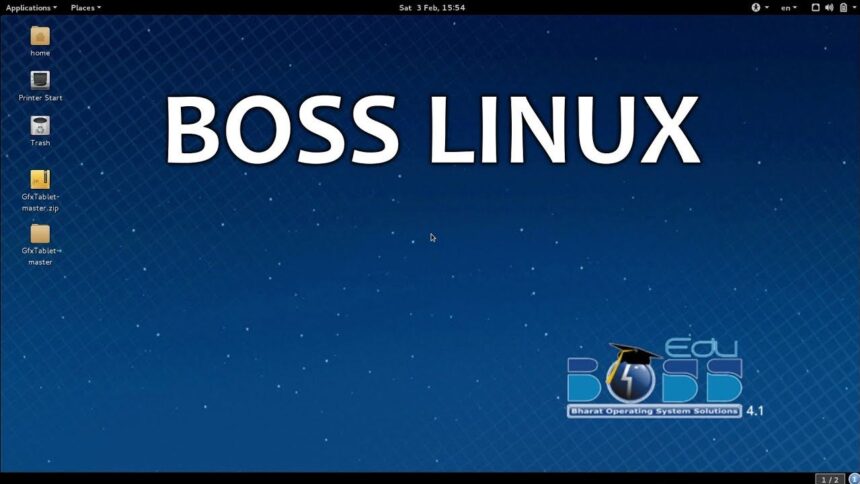
For India, this incident is more than just a wake-up call; it is an opportunity to rethink and refocus our technological strategies by scaling up the use of Bharat Operating System Solutions (BOSS) Linux.
Also, India’s adverse country China is already self reliant in this field. Here’s why this shift is not only necessary but imperative for our digital future.
Reducing Dependency on Foreign Software
Technological Sovereignty
Dependence on foreign software giants like Microsoft leaves countries vulnerable to external disruptions—be it technical failures, geopolitical tensions, or corporate policy changes. By pivoting towards BOSS Linux, India can achieve greater technological sovereignty, ensuring that critical systems and data remain under national control. This autonomy is crucial in an era where cyber threats are increasingly sophisticated and politically motivated.
Historical Lessons
India has faced significant challenges in the past due to over-reliance on foreign technology. During the Kargil War, India’s dependence on the U.S. for GPS data highlighted our vulnerability. The U.S. selectively denied access to critical GPS data, hampering military operations. Similarly, in the 1980s, the U.S. refused to sell a supercomputer to India, compelling us to develop our own supercomputer, PARAM, which eventually placed us on the global map of technological prowess. These incidents underscore the importance of self-reliance in critical technologies to avoid strategic disadvantages in times of crisis.
Economic Benefits
The financial implications of this shift are profound. Currently, a significant portion of our national expenditure is funneled towards software licensing fees paid to foreign entities. By adopting BOSS Linux, these funds can be reallocated to bolster local tech development, education, and infrastructure. This move will not only save costs but also stimulate the domestic tech industry, fostering innovation and creating jobs. Investing in homegrown solutions ensures that the economic benefits remain within our borders, contributing to national growth.
Enhanced Security and Privacy
Tailored Security Solutions
One of the standout advantages of BOSS Linux is its open-source nature, which allows for extensive customization and optimization. Indian developers can modify the operating system to meet specific security needs, addressing unique threats and vulnerabilities that may not be a priority for global corporations. This level of control and customization is unattainable with proprietary systems like Windows, where security measures are standardized and not always aligned with local requirements.
Data Sovereignty
In an age where data is often referred to as the new oil, the sovereignty of our data is paramount. Using BOSS Linux ensures that sensitive data is managed and stored within national borders, under Indian jurisdiction. This contrasts sharply with proprietary software, where data policies and access can be influenced by foreign regulations. By maintaining data sovereignty, we protect our national interests and the privacy of our citizens.
Promoting Digital Inclusivity
Accessibility for All
BOSS Linux is designed with the diverse needs of Indian users in mind. It supports multiple regional languages and accommodates various user capabilities, making digital tools accessible to a broader segment of the population. This inclusivity is essential for bridging the digital divide and ensuring that technology benefits everyone, regardless of socio-economic status or linguistic background.
Cost-Effective Solutions
The open-source nature of BOSS Linux makes it a highly cost-effective alternative to expensive proprietary software. Educational institutions, government bodies, and small businesses can leverage a robust, free operating system, thus reducing financial barriers to technology adoption. This democratization of technology can drive widespread digital literacy and empower smaller enterprises to compete on a level playing field.
Stimulating Local Innovation
Nurturing Talent
Investing in BOSS Linux can serve as a catalyst for nurturing local tech talent. Educational programs can incorporate BOSS Linux into their curricula, encouraging students to contribute to and innovate within the platform. This hands-on experience is invaluable for developing a skilled workforce capable of driving the next wave of technological advancements. By fostering a culture of innovation, we can ensure that our tech sector remains vibrant and competitive.
Community-Driven Development
Open-source projects thrive on community contributions, and BOSS Linux is no exception. It provides a platform for Indian developers to collaborate, share knowledge, and drive advancements collectively. This community-driven approach accelerates development and ensures that the software evolves to meet the real needs of its users. It also promotes a sense of ownership and pride among local developers, further motivating them to contribute to national tech growth.
Building Resilience in Critical Infrastructure
National Security
Critical infrastructure sectors such as defense, healthcare, and finance require robust and secure operating systems. Relying on foreign software poses inherent risks to national security, as vulnerabilities or backdoors could be exploited by adversaries. BOSS Linux, being developed and maintained within the country, can be fortified to meet stringent security standards, safeguarding our national interests and ensuring the integrity of our critical systems.
Disaster Recovery and Continuity
The global Microsoft outage highlighted the need for resilient disaster recovery strategies. By developing a strong, independent operating system like BOSS Linux, India can ensure that critical services remain operational even during global technological disruptions. This resilience is crucial for maintaining continuity in essential services, from healthcare to banking, which cannot afford prolonged downtimes.
Conclusion
The global Microsoft outage has illuminated the precariousness of over-reliance on foreign technology. For India, this presents a unique opportunity to bolster its technological autonomy by focusing on BOSS Linux. Scaling up the use of BOSS Linux will not only enhance national security and data sovereignty but also promote economic growth, digital inclusivity, and local innovation. As we navigate an increasingly complex technological landscape, India’s investment in homegrown solutions like BOSS Linux will be pivotal in shaping a resilient and self-reliant future. The time to act is now, and the path forward is clear—India must embrace BOSS Linux as a cornerstone of its digital strategy.