


DETROIT- An analysis of Environmental Protection Agency (EPA) data has unveiled that US industries have discarded a minimum of 60 million pounds of PFAS “forever chemical” waste in the past five years. The disposal processes employed are likely to be polluting the environment around the disposal sites, according to the analysis.
The estimate of 60 million pounds is deemed a “dramatic” undercount due to the absence of regulations on PFAS waste in the US, and companies are not mandated to record its disposal, as highlighted by Public Employees for Environmental Responsibility (Peer), the author of the report.
Despite potential underreporting, the findings paint a troubling picture of a vast, unregulated network of PFAS waste disposal in the United States, as emphasized by Peer. Tim Whitehouse, Peer’s executive director and a former EPA attorney, remarked, “These data show that we are steadily poisoning ourselves, our waters, and our food chain with extremely persistent toxic chemicals.”
PFAS, known as per- and polyfluoroalkyl substances, are a group of approximately 15,000 compounds widely used for their water, stain, and grease-resistant properties. Linked to severe health issues such as cancer, birth defects, and immune system suppression, PFAS are notoriously dubbed “forever chemicals” due to their environmental persistence.
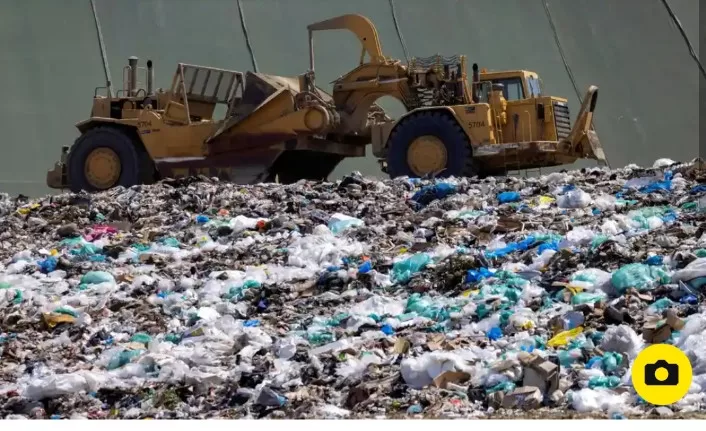
The analysis identified over 10,300 PFAS waste shipments between June 2018 and June 2023, with common disposal methods including incineration, landfilling, discharge into wastewater treatment systems, and deep well injection.
Notable facilities disposing of significant PFAS waste quantities include a US Ecology plant in Nevada, a deep-well injection site near Houston, and an incinerator in East Liverpool, Ohio. However, each disposal method presents its own set of problems, such as contamination of drinking water supplies through deep well injection and landfilling, and atmospheric dispersion of PFAS during incineration.
“There is no known way to safely dispose of PFAS, and that’s the problem,” emphasized Whitehouse.
The primary source of PFAS waste is diverse due to their extensive usage, with firefighting foam accounting for approximately 40 million pounds of recorded waste. Some states and the military have begun restricting the use of this foam.
Environmental groups, including Peer, have urged the EPA to classify PFAS as hazardous waste under the Resource Conservation and Recovery Act. The EPA has been reviewing four common PFAS compounds for designation since October 2021.
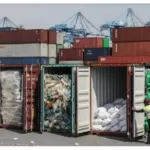
In a concerning development, the US recently approved the importation of 4.4 million pounds of PFAS waste annually from the Netherlands for reclamation and disposal. This decision comes as the European Union grapples with the safe management of PFAS waste and imposes stringent regulations on recycling and disposal.
“If the EPA does not act imminently, the US is at risk of becoming a dumping ground for this toxic waste from the rest of the world due to EPA’s inaction,” warned Whitehouse.