


In a harrowing turn of events, the suspected perpetrator behind the horrifying series of two mass shootings that claimed the lives of 18 individuals and left 13 others injured in the state of Maine has been discovered deceased. The Associated Press has confirmed that authorities had issued multiple arrest warrants for murder, prompting an extensive manhunt for the alleged shooter, Robert Card.
The suspect, Robert Card, a 40-year-old Army reservist, had been the focus of a sweeping search operation following the deadly shootings at Schemengees Bar and Grille, and the Just-In-Time Recreation bowling alley in Lewiston. A law enforcement official has now disclosed that Card’s life ended tragically through what is presumed to be a self-inflicted gunshot wound.
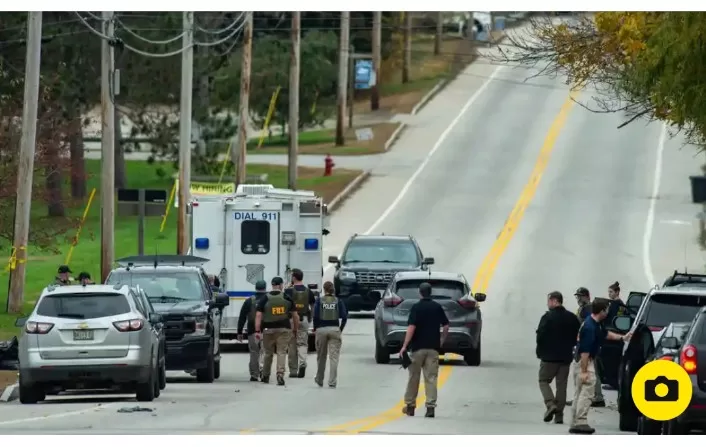
CNN reported that Card’s lifeless body was located within the woodlands near the town of Lisbon, adjacent to a recycling center where he had recently faced dismissal from employment. This stark development has left the community in shock and mourning, as they grapple with the horrific consequences of these events.
Card’s vehicle was discovered in Lisbon, approximately eight miles away from the scenes of the heinous crimes, just before midnight. Given the ongoing manhunt, officials urged residents in Lewiston, Lisbon, and surrounding areas to take shelter as the exhaustive pursuit, involving a substantial deployment of law enforcement personnel, continued.
Throughout this relentless search, focus also shifted towards Robert Card’s mental health history. Reports indicate that he had come to the attention of law enforcement earlier this year when military officials raised concerns about his erratic behavior. In mid-July, he was taken into custody for evaluation after exhibiting signs of instability during training activities at the military academy in West Point, New York.
Commanders within the Army Reserve’s 3rd Battalion, 304th Infantry Regiment reportedly became alarmed at Card’s behavior, prompting them to involve local authorities. The New York State Police subsequently transported Card to the Keller Army Community Hospital at West Point for a comprehensive evaluation.
This grim episode continues to grip the nation with a profound sense of sorrow and raises further questions about the complexities surrounding mental health and its intersection with public safety. As Maine and the affected communities grapple with this tragedy, they are left to reflect on the need for vigilance in addressing mental health concerns and ensuring the safety of all citizens.