



In a recent Pentagon report on China’s military capabilities, it has come to light that Beijing is exceeding previous projections regarding the rapid expansion of its nuclear weapons arsenal. The report suggests that China is “almost certainly” drawing lessons from Russia’s conflict in Ukraine, with a particular focus on how a potential conflict over Taiwan might unfold.
Key Points:
1. Nuclear Arsenal Expansion: The Pentagon’s annual report, mandated by Congress, serves as a measure of China’s military growth. It is now clear that China is building up its nuclear force much faster than anticipated, with the aim of matching or surpassing US global power by mid-century.
2. Intercontinental Missile System:The report also raises concerns about China’s pursuit of a new intercontinental missile system that employs conventional arms. If deployed, this system could potentially threaten conventional strikes against targets in the continental United States, Hawaii, and Alaska.
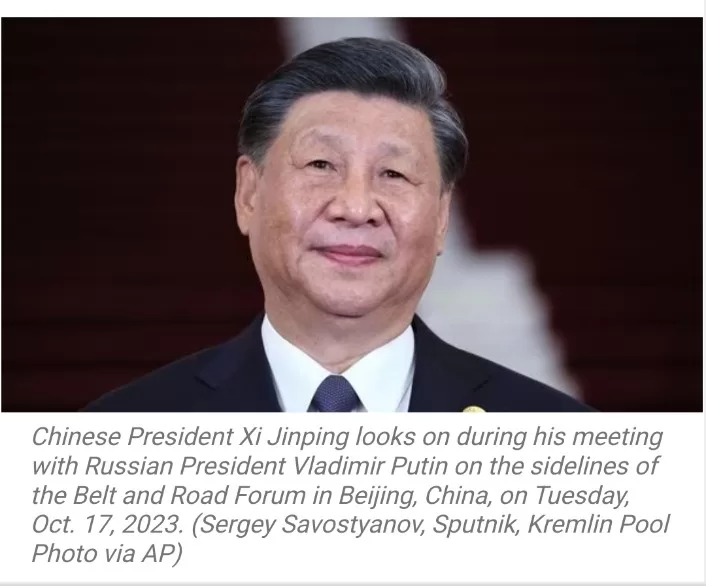
3. Xi Jinping’s Military Goals: The report highlights China’s ongoing modernization of its nuclear force, aiming to field more than 1,000 nuclear warheads by 2030. This rapid modernization aligns with President Xi Jinping’s ambition to establish a “world-class” military by 2049.
4. No First Use” Policy: Despite these developments, China has maintained its “no first use” policy on nuclear weapons. However, the report suggests that there may be certain circumstances where China could deviate from this policy, though details remain undisclosed.
5. Geopolitical Pressure:Beyond nuclear capabilities, China is intensifying military, diplomatic, and economic pressure on neighboring countries, particularly Taiwan, in response to perceived US efforts to contain its rise.
In conclusion, while the United States has faced other global challenges such as the Middle East, the Pentagon remains steadfast in its assessment that China’s military capabilities pose the most significant long-term security challenge. The report underscores the need for continued vigilance and strategic planning as the dynamics of global power continue to evolve.
By AP