



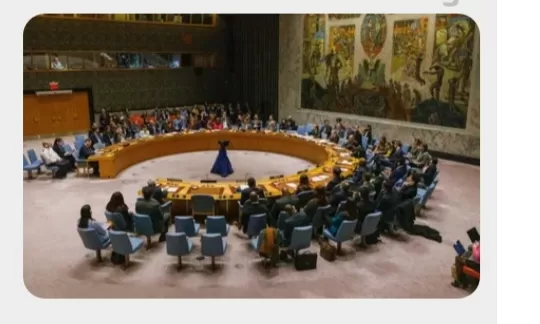
In a pivotal move following six weeks of conflict in Gaza, the United Nations Security Council rallied behind a resolution advocating “urgent extended humanitarian pauses” to facilitate aid access to the embattled region. The resolution, drafted by Malta, emphasizes the need for humanitarian corridors across the Gaza Strip and calls for the release of hostages held by Hamas.
Despite initial impasses and four unsuccessful attempts to adopt a resolution, the vote on Wednesday resulted in a significant breakthrough. The resolution garnered 12 votes in favor, marking the first UN resolution on the Israel-Palestine conflict since 2016.
However, notable abstentions from the United States and the United Kingdom, both possessing potential veto powers, were attributed to the absence of explicit criticism of Hamas in the resolution. Russia also abstained, citing the resolution’s failure to mention an immediate ceasefire.
The resolution’s passage is seen as a diplomatic push for an extended humanitarian ceasefire, signaling a departure from the previous U.S. stance. The resolution’s emphasis on aid access adds pressure on Israel, and its rejection by the Israeli foreign ministry raises questions about the next steps.
While UN resolutions are theoretically binding, their enforcement varies, with the significance lying in the United States aligning with the call for a humanitarian ceasefire. The abstentions may reflect growing global concern about civilian casualties and destruction in Gaza, highlighting a shift in the political dynamics surrounding the conflict.