



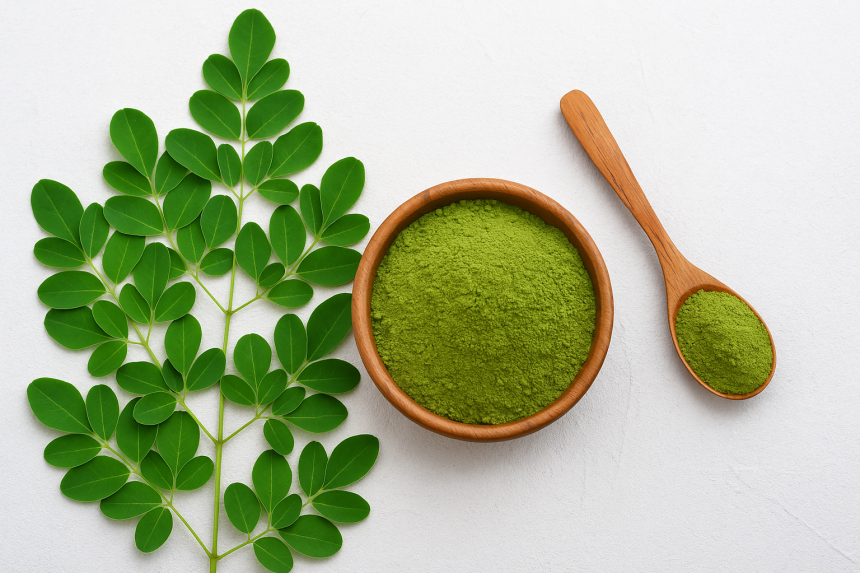
As temperatures drop and daylight hours shorten, many people experience lower energy, reduced concentration, and changes in mood. Emerging studies suggest that moringa, the nutrient-rich leaf of the Moringa oleifera tree, may support brain health in winter by reducing inflammation and protecting nerve cells.
Why Winter Affects Brain Function
Cold conditions, limited sunlight, and dietary changes can increase inflammation and oxidative stress. Lower sunlight exposure also affects vitamin D levels. These factors may influence mood, attention, and overall cognitive function, even in individuals with adequate nutrition.
What Makes Moringa a Brain-Friendly Leaf
Moringa leaves contain flavonoids, polyphenols, vitamins A and C, and essential minerals. These compounds provide strong antioxidant and anti-inflammatory effects. Research reported in peer-reviewed journals notes that moringa’s flavonoids may help protect neurons by lowering oxidative stress and moderating inflammatory pathways.
Several pre-clinical studies highlight its potential:
- Alzheimer’s models: Moringa leaf extract has been shown to reduce amyloid-β plaque accumulation and support healthier synaptic activity.
- Inflammation-related memory loss: Animal studies indicate reduced inflammatory markers such as IL-6 and TNF-α, along with improved antioxidant enzyme activity.
- Metabolic stress: Research suggests possible protection against signs of brain aging, with support for brain-derived neurotrophic factor (BDNF), which is essential for neuron repair and growth.
- Cognition: Some studies report improved learning and memory in animal models.
How Moringa May Support Brain Health
- Helps reduce inflammation
- Strengthens antioxidant defences
- Supports neuroplasticity through BDNF
- May aid memory and learning
Safe Ways to Use Moringa in Winter
Moringa can be consumed as fresh leaves, leaf powder, or seed oil capsules. Experts advise starting with small amounts and consulting a healthcare professional for appropriate dosage. Benefits are generally observed with consistent use alongside balanced nutrition, exercise, rest, and sunlight exposure.
Disclaimer: This article provides general information and is not a substitute for medical advice. If you have any medical conditions, are on medication, or have specific health concerns, please consult your doctor before using moringa or any supplement.