



By using this site, you agree to the Privacy Policy and Terms of Use.
Accept
Magadh TodayMagadh TodayMagadh Today
  • Home
  • India
  • Editorial
  • Opinion
  • Global
  • Technology
  • Science
  • Asia
  • Business
  • Finance
Reading: Only successor can claim shares or debentures, and not nominee, rules SC
Share
Notification Show More
Aa
Magadh TodayMagadh Today
Aa
  • India
  • Economy
  • Politics
  • Business
  • Technology
  • Finance
  • Editorial
  • Opinion
  • Science
  • Home
  • Technology
  • Business
  • Economy
  • Politics
  • Science
  • Sitemap
Have an existing account? Sign In
Follow US
  • Advertise
© 2022 Foxiz News Network. Ruby Design Company. All Rights Reserved.
Magadh Today > Latest News > India > Only successor can claim shares or debentures, and not nominee, rules SC
India

Only successor can claim shares or debentures, and not nominee, rules SC

Gulshan Kumar
Last updated: 2023/12/15 at 10:51 AM
By Gulshan Kumar 2 years ago
Share
SHARE

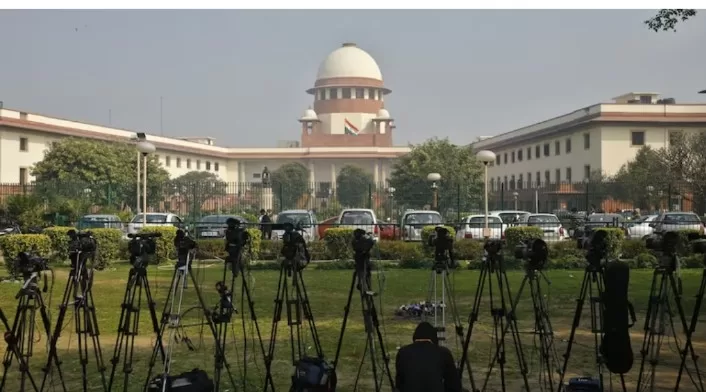
In a significant ruling, the Supreme Court declared on December 14 that nominees of shares and debentures cannot claim succession rights by default. The judgment establishes that the rightful claim over financial instruments rests with the legal successor determined either by the deceased’s will or succession laws, not with the nominee.

The ruling emanated from a family dispute where the patriarch bequeathed the inheritance of shares and debentures to one of his two sons. The other son, serving as the nominee, contested this decision, asserting his beneficial ownership based on his nominee status.

The Bombay High Court, in a previous hearing, clarified that nominees are designated to safeguard the instruments until the legal heirs or representatives take appropriate steps to assert their rights. The High Court underscored that nomination provisions do not supersede laws pertaining to testamentary or intestate succession.

The matter eventually reached the Supreme Court in 2017, where a two-judge bench, comprising Justice Hrishikesh Roy and Sanjay Karol, delivered the final decision.

Arguments presented in court contended that existing laws do not provide for a ‘third mode of succession’ where a person inherits financial instruments merely by being named a successor. Additionally, it was emphasized that the Companies Act of 1956 and 2013 intends for a nominee to facilitate the transfer of shares, not to become a successor.

The parties involved were represented by lawyers Rohit Anil Rathi and Rooh-e-hina Dua during the legal proceedings.

This judgment establishes a legal precedent that clarifies the intricate relationship between nomination provisions and the broader spectrum of succession laws governing financial instruments.


 

You Might Also Like

Congress MP Manish Tewari brings bill in Lok Sabha seeking to let MPs take their own voting line

Bihar government allocates 10.11 acres of land in Patna to TTD to build Sri Venkateswara temple

Bihar Discoms seek tariff hike and rural-urban rate convergence

Bihar to create three new government departments in push to deliver 1 crore jobs by 2030

Supreme Court of India: Temple funds belong to the Deity, cannot be used to prop up ailing Cooperative Banks

Share This Article
Facebook Twitter Whatsapp Whatsapp LinkedIn Reddit Telegram Copy Link Print
Previous Article MS Dhoni’s No. 7 Jersey Retired, BCCI Informs Players Not To Pick Iconic Shirt: Sources
Next Article Study abroad: What the change in UK’s international students’ dependent policy means for Indians
about us

Your daily dose of news and updates on politics, culture, and events around the globe. Stay informed, stay connected!

Quick Links

  • Home
  • Sitemap
  • Contact
  • About
  • Privacy Policy
  • Terms and Conditions
Magadh TodayMagadh Today
© Magadh Today Network. All Rights Reserved.
Go to mobile version
adbanner
AdBlock Detected
Our site is an advertising supported site. Please whitelist to support our site.
Okay, I'll Whitelist
Welcome Back!

Sign in to your account

Lost your password?
