



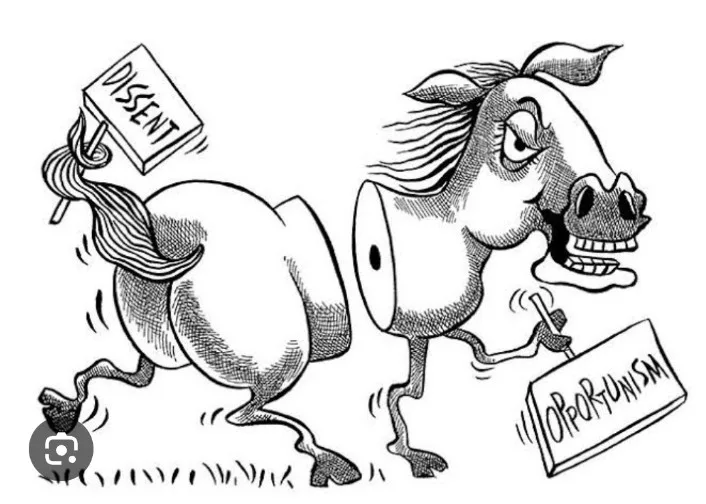
In the vibrant tapestry of global democracies, India stands out for its robust parliamentary system. However, one glaring anomaly tarnishes its democratic fabric: the Anti-Defection Law. This legislation, fundamentally flawed in its nature, stifles the freedom and independence of lawmakers, hindering the healthy functioning of India’s democracy. Unlike many liberal democracies worldwide, India’s Anti-Defection Law imposes rigid constraints on MPs and MLAs, suppressing their autonomy and impeding the evolution of a dynamic political landscape.
In countries such as the United States, Europe, Africa, Japan, and Australia, there exists no equivalent to India’s Anti-Defection Law. Even New Zealand, which once enacted such legislation, swiftly recognized its detrimental effects and repealed it. Studies conducted in Poland, the Czech Republic, Estonia, Lithuania, and Latvia underscore the benefits of allowing MPs and MLAs the liberty to defect or cross party lines. These nations have witnessed strengthened political party systems and enhanced democratic institutions as a result.
By contrast, India’s Anti-Defection Law has led to accusations of horse-trading and political machinations. MPs and MLAs often feel like caged birds, constrained by the fear of being penalized for exercising their right to dissent or switch allegiances. This stifling atmosphere not only undermines the integrity of elected representatives but also hampers the decision-making process within political parties.
The imposition of the Anti-Defection Law restricts the fluidity of ideas, stifles dissent, and perpetuates a culture of conformity within India’s legislative bodies. Lawmakers are shackled by party dictates, unable to express their opinions freely or engage in constructive dialogue across party lines. This stifling environment hampers the democratic process and impedes the development of innovative policy solutions to address the nation’s myriad challenges.
To truly strengthen India’s democracy, it is imperative to abolish the Anti-Defection Law and liberate MPs and MLAs from the shackles of party control. Empowering lawmakers with the freedom to exercise their conscience, express diverse viewpoints, and engage in constructive debates will invigorate the political landscape. Rather than viewing defections as a threat, India should embrace them as a natural aspect of democratic evolution, reflective of the dynamic nature of politics.
The abolition of the Anti-Defection Law will herald a new era of political maturity and accountability in India. Lawmakers will be entrusted with the responsibility to act in the best interests of their constituents, rather than being beholden to party dictates. This seismic shift will foster a culture of transparency, accountability, and responsiveness within India’s legislative bodies, laying the foundation for a vibrant and inclusive democracy.
In conclusion, India must seize the opportunity to dismantle the shackles of the Anti-Defection Law and unleash the full potential of its lawmakers. By embracing freedom of conscience, speech, and action, India can chart a course towards a more vibrant, resilient, and responsive democracy, truly reflective of the aspirations of its diverse populace.