



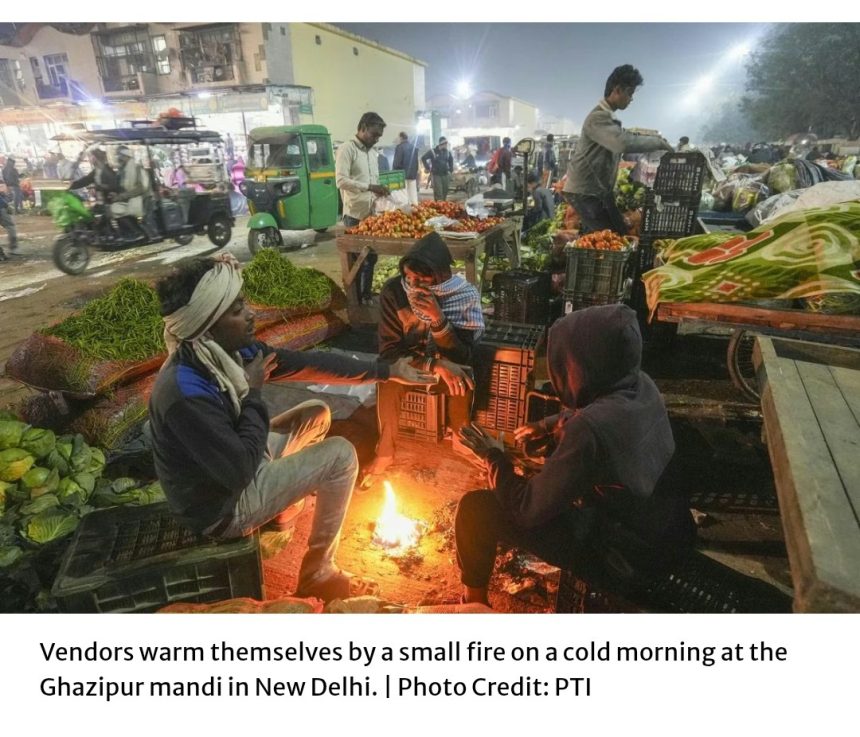
India’s northern and central plains are set for a colder-than-usual winter, with the India Meteorological Department (IMD) predicting an above-average number of cold wave days in several key states, including Delhi, Punjab, Haryana, eastern Uttar Pradesh, northern Madhya Pradesh, western Maharashtra and Arunachal Pradesh.
A “cold wave” is officially declared when minimum temperatures fall to 10°C or below in the plains (0°C or below in hilly areas), or when readings deviate 4.5–6.4°C below the long-term normal for a location.
In its seasonal outlook issued on Monday, the IMD said minimum temperatures from December to February are likely to be “normal to below normal” across most of central, northwest and adjoining peninsular India, while the rest of the country should see above-normal nighttime readings. Cold wave frequency, however, is expected to be higher than usual in parts of the northwest, centre and northeast.
Meteorologists attribute the outlook to a combination of reduced western disturbance activity — the Mediterranean-born weather systems that typically bring cloud cover and moderate minimum temperatures — and the ongoing La Niña conditions in the equatorial Pacific. Although no strict causal link exists, historical data show Indian cold waves are more common during La Niña years.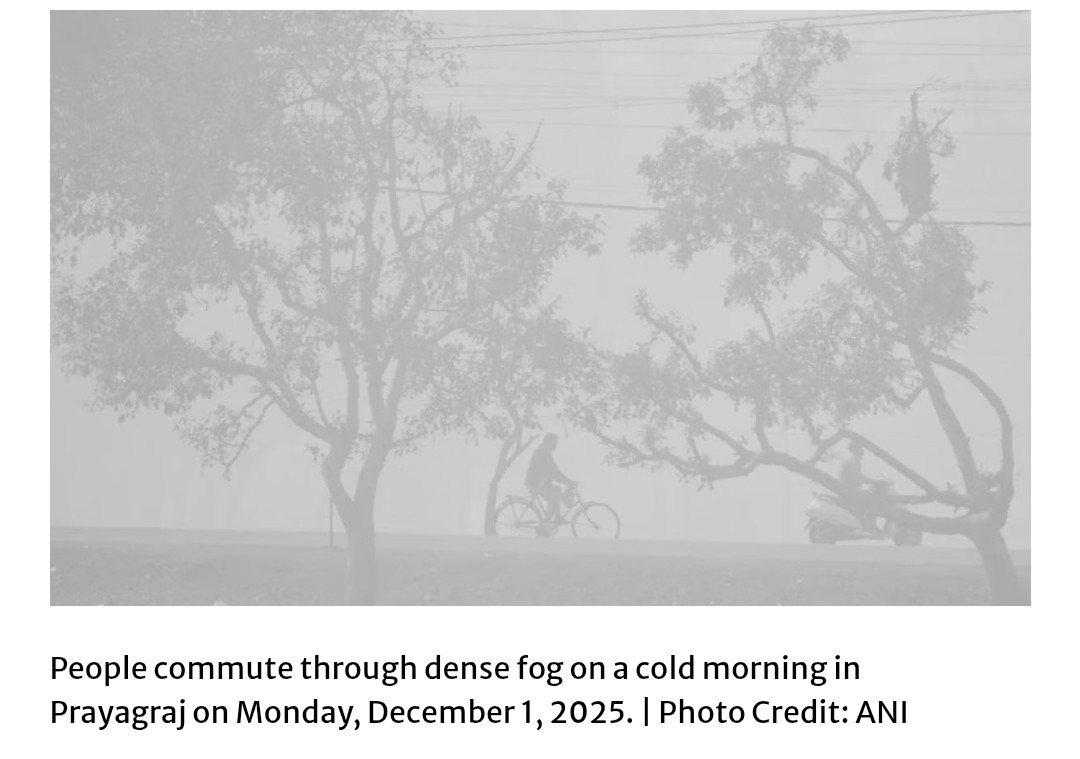
An early taste of severe winter has already been felt, with cold wave conditions unusually appearing in November across northern India. IMD Director-General M. Mohapatra linked the premature chill to a southward displacement of the polar vortex, a reservoir of frigid Arctic air that occasionally spills into lower latitudes. While the Himalayas largely shield the subcontinent from the vortex’s full force, peripheral effects are still felt.
The forecast comes against the backdrop of an active cyclone season in the Bay of Bengal and Arabian Sea. Recent systems, including the rare Cyclone Senyar that formed near the Strait of Malacca and Cyclone Ditwah, which triggered severe flooding in Sri Lanka, underline shifting weather patterns in the region.
For businesses, farmers and infrastructure planners, the prospect of prolonged cold spells and dense fog may disrupt transport, agricultural operations and power demand in northern and central India in the coming weeks.