



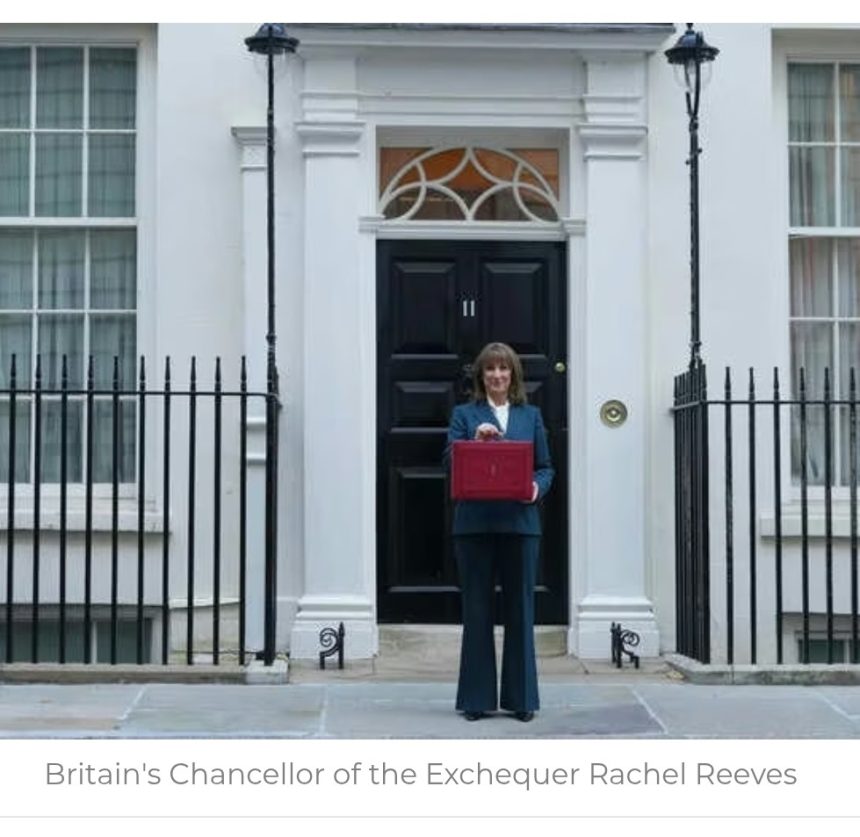
Rachel Reeves, the chancellor of the exchequer, has moved to repair Britain’s fraying relationship with the global super-rich, introducing concessions in Wednesday’s Autumn Statement aimed at halting an accelerating outflow of billionaires, entrepreneurs and inherited wealth triggered by Labour’s earlier tax crackdown.
The most significant olive branch is a new £5mn-per-decade cap on inheritance tax charges applied retrospectively to certain overseas trusts used by former non-domiciled residents. The measure directly addresses the single biggest grievance that prompted many ultra-high-net-worth individuals to relocate before the abolition of the 200-year-old non-dom regime took effect in April.
A separate commitment to consult on a “tax offer” for internationally mobile, high-talent individuals signals that the Treasury is prepared to craft targeted incentives to lure wealthy newcomers, even as it raises taxes elsewhere, including on private jet usage and domestic capital gains.
The climbdown comes after a string of high-profile departures. Billionaires such as Guillaume Pousaz (Checkout.com), Nik Storonsky (Revolut) and Nassef Sawiris, Egypt’s second-richest man, have already left or scaled back their UK presence. According to the Bloomberg Billionaires Index, individuals who have quit Britain since Labour’s October 2024 Budget control or have access to fortunes totalling at least $120bn.
Business secretary Peter Kyle this week acknowledged that last year’s fiscal event had prompted some wealthy residents to leave, marking a rare public admission from a senior minister that the government’s original plans may have been too aggressive.
The Treasury insists the non-dom overhaul remains on track to raise more than £30bn over the coming years, but independent analysts and wealth advisers question whether behavioural responses will erode much of that projected windfall.
“The cap on trust IHT is clearly designed to retain those who were still on the fence,” said Marc Acheson, global wealth specialist at Utmost Wealth Solutions. “Whether it persuades those who have already relocated to Switzerland, Dubai or Singapore to return is another matter. For many, that horse has bolted.”
The new four-year foreign income regime that replaced the old non-dom system is markedly less generous than the 15-year tax shield previously available, or the 10–15 year regimes offered by competitors such as Italy and Greece. John Caudwell, the mobile phone entrepreneur turned billionaire philanthropist, told Bloomberg that shortening the protected period to four years was a strategic error: “People come for their children’s education; four years is simply not long enough to see a child through the British school system.”
Separately, the Home Office last week launched a consultation on a fast-track residency route for high earners, while ministers are exploring the reintroduction of an investor visa — scrapped by the Conservatives in 2022 on national security grounds — potentially with a £2.5mn price tag.
The Treasury declined to comment.
The policy shift underscores the delicate balancing act facing Sir Keir Starmer’s government: raising revenue from the wealthiest without triggering a sustained capital flight that could damage London’s status as a global financial centre and deprive the exchequer of income, payroll and indirect taxes generated by private offices, advisers and luxury spending.
As one Conservative peer, Nosheena Mobarik, warned the prime minister in an open letter this month: “Our global competitiveness is being tested. We must turn the tide.”
For now, Ms Reeves appears to have concluded that a modest recalibration is preferable to watching more of the world’s mobile rich vote with their private jets.